

LIVE. LEARN. Love. LASSEN
Lassen Volcanic
National Park
Lassen Peak's explosive history is front and center in Lassen Volcanic National Park, where displays of photographs by B. F. Loomis and others document the drama of major eruptions in 1914–15. It’s also front and center in A Trip through the Lassen Volcanic National Park. The centerpiece of this short film is footage of Lassen in action, as novel now as it was at the time of its release in 1918. With these images, cinematographer J. J. Hammer of Red Bluff, California, created what one expert determined “might be the second oldest existing film of an erupting volcano” as well as “one of the first in a long line of volcanic films that capture the majesty and awe-inspiring views of an eruption.”
Cinder
Cone

Cinder Cone is one of the youngest volcanic features in Lassen Volcanic National Park having erupted in the mid 1600s. The peak is noted for its near-perfect symmetrical shape which is typical of cinder cone volcanoes. This shape results from the accumulation of volcanic debris that falls back down around the vent during eruptions.
Mount
Harkness

Rising from the southern shore of Juniper Lake, Mt. Harkness marks the southeast corner of Lassen Volcanic National Park. A trail leads hikers to the top of this sprawling shield volcano, ending at the scattered remains of a small cinder cone. In 1930, a newly erected fire lookout was used to help spot potential enemy planes during World War II and house countless lookouts including writer Edward Abbey. Mt. Harkness Fire Lookout was lost in the Dixie Fire in 2021, but the mountain top still affords visitors a 360 degree view that extends as far as Nevada to the east and the coastal mountain range to the west.

Lassen
Centennial
On Memorial Day, May 30, 1914, Lassen Peak, which had been presumed extinct, suddenly came to life in a series of explosive eruptions. News of the eruptions, including the famous six photo series by Benjamin F. Loomis, excited a nationwide interest in the volcano that sparked efforts to establish a national park. Although larger eruptions would follow later that summer and the next, Loomis’s photos became essential support in the establishment of Lassen Volcanic National Park on August 9, 1916.
Lassen
Resilience
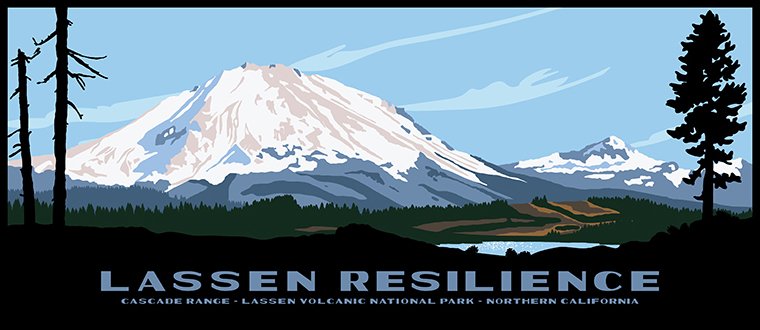
Purchase of this product benefits the Lassen Resilience campaign. The Lassen Resilience campaign is a collaboration between the Lassen Association, and Lassen Volcanic National Park established in the wake of the 2021 Dixie Fire.
Proceeds raised through Lassen Resilience are designated for Dixie Fire recovery, research, and education efforts. Fire recovery will be ongoing so your purchase today will help support both immediate and future needs.
Please visit Lassen Resilience — Lassen Association | Peak Your Curiosity for more products and information.

Night
Sky
From animals to plants and water to volcanoes, Lassen Volcanic National Park protects many different natural phenomena. One of the most spectacular is often overlooked -- the incredible, dark, night sky. Lassen Volcanic is one of the best places to learn about and enjoy the splendor of the night sky.
Far from light pollution, Lassen is one of the last sanctuaries of natural darkness. Whether you have yet to experience the grandeur of the Milky Way, or you are a dedicated amateur astronomer, Lassen's dark skies offer unparalleled views of celestial wonders.
Check the park website Stargazing - Lassen Volcanic National Park (U.S. National Park Service) or talk to a park ranger about Night Sky programs!
PHOTO BY MIKE RUBIN
Bats
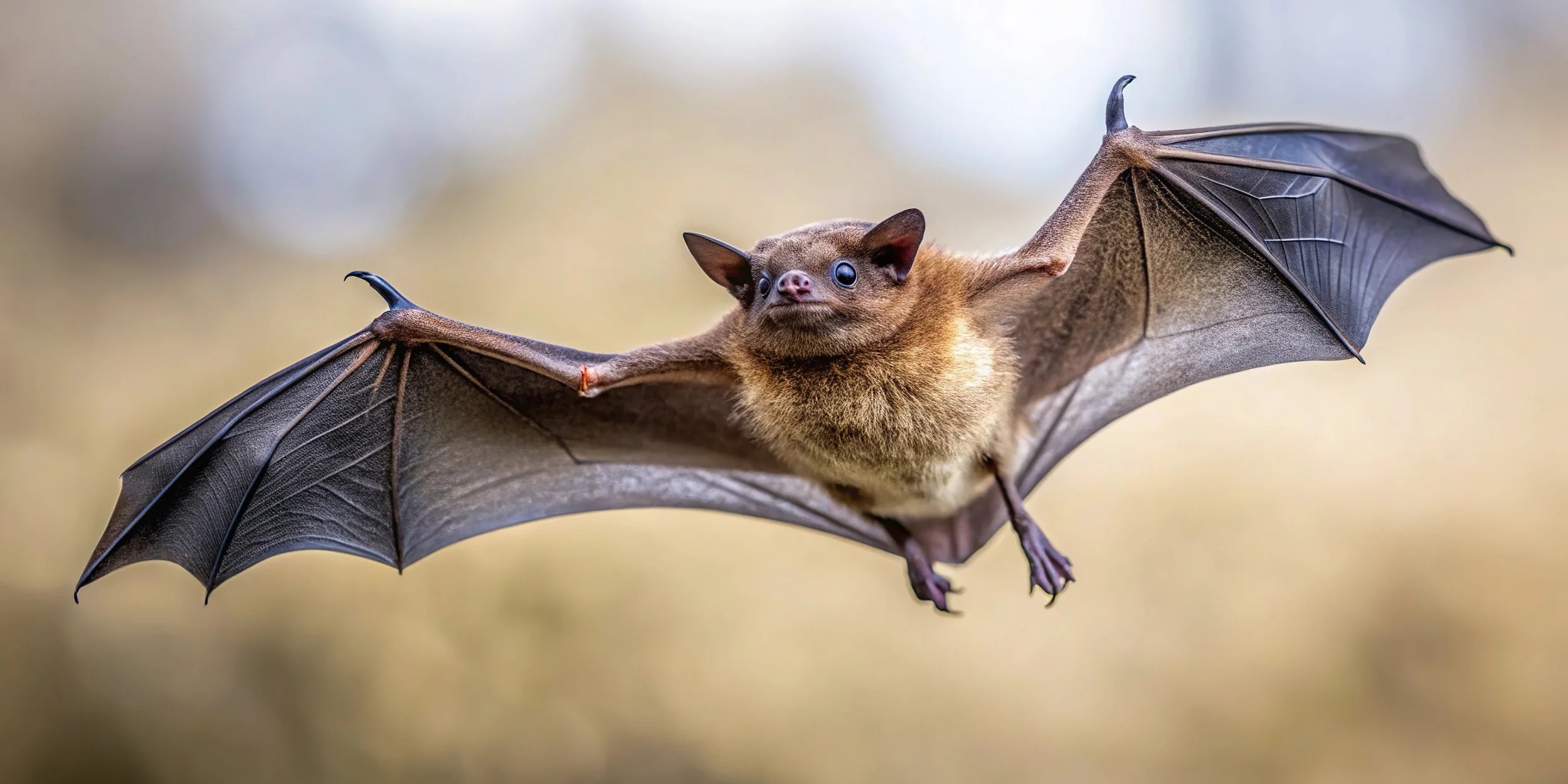
Lassen Volcanic National Park is home to at least 14 bat species. Using echolocation to navigate and hunt in the dark, a single bat can consume hundreds to thousands of insects each night, playing a crucial role in maintaining ecological balance.
Pikas
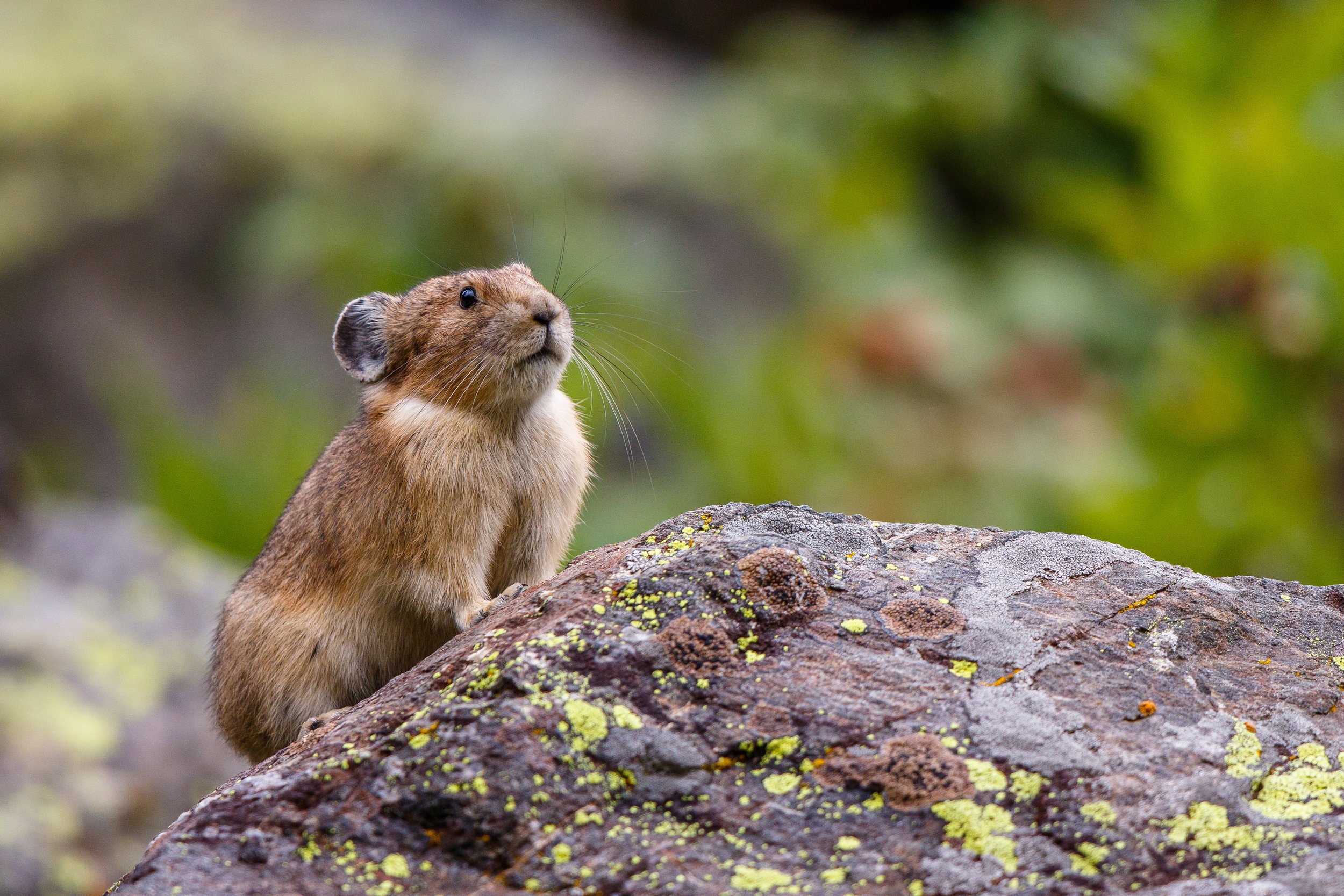
Pikas (Ochonta princeps) are hamster-sized mammals related to the rabbit family. Also known as conies or rock rabbits, these cuddly-looking characters have small, oval bodies that are only around six inches long and weigh six ounces. Pikas have moderately large ears for their bodies that are round in shape and a very short tail that is usually covered by a coat of thick brown-gray peppered fur. They have sharp curved claws and padded toes to scamper around alpine rocks. Excellent hearing and vision keep them very aware of danger in their surroundings.
The American pika is considered an indicator species for detecting ecological effects of climate change. Research suggests that pikas are being lost from lower elevations in some areas in response to increased warming. Ongoing monitoring will help to track pika populations and identify factors that may help contribute to their persistence at Lassen Volcanic. In Lassen Volcanic National Park, pikas often forage for lupine flowers, which are a crucial part of their diet due to their high nutritional value. Their foraging activities can influence the composition of alpine plant communities, and their hay piles can provide food for other animals.
The Lassen Association has an Adopt A Pika Program Adopt-A-Pika — Lassen Association | Peak Your Curiosity
Sierra Nevada
Red Fox

The Sierra Nevada Red Fox is now one of the rarest mammals in California. The subspecies' abundance and distribution has declined dramatically in the last century. Today, the only known populations reside in Lassen Volcanic National Park and the surrounding forest and Yosemite National Park. Current survey efforts may provide our best opportunity for understanding and fostering Lassen's native red fox.

Keep Lassen
Wild
“A Fed Bear is a Dead Bear”
Stay with or Store Your Scented Stuff at All Times
Black bears at Lassen Volcanic are beginning to associate humans and our stuff with food. Human-bear encounters have increased in recent years after multiple incidents of bears obtaining improperly stored food from hikers and backpackers.
Bears obtaining improperly stored food has and may again result in park closures. Allowing wild animals to obtain human food often results in aggressive behavior. Aggressive wildlife are a threat to human safety and will most likely be euthanized.
California
Tortoiseshell

California Tortoiseshell (Nymphalis californica) is a common sight at Lassen Volcanic National Park in the summer months, although the number of individuals varies widely from year to year.
Occasionally mistaken for the monarch (Danaus plexippus), this mass migrant tends to travel shorter distances between foothill canyons and high elevation locations in the Sierrra Nevada and sometimes even the Cascade mountain ranges.

Birds in
Lassen
Lassen Volcanic National Park provides habitat for approximately 216 species of birds in which 96 have been known to breed in the park. Most of the species that occur in the park are neotropical migrants. These birds use the park in summer to breed and forage and then fly to Central and South America to spend the winter. View the Lassen Volcanic National Park species list.
Flowers
in Lassen
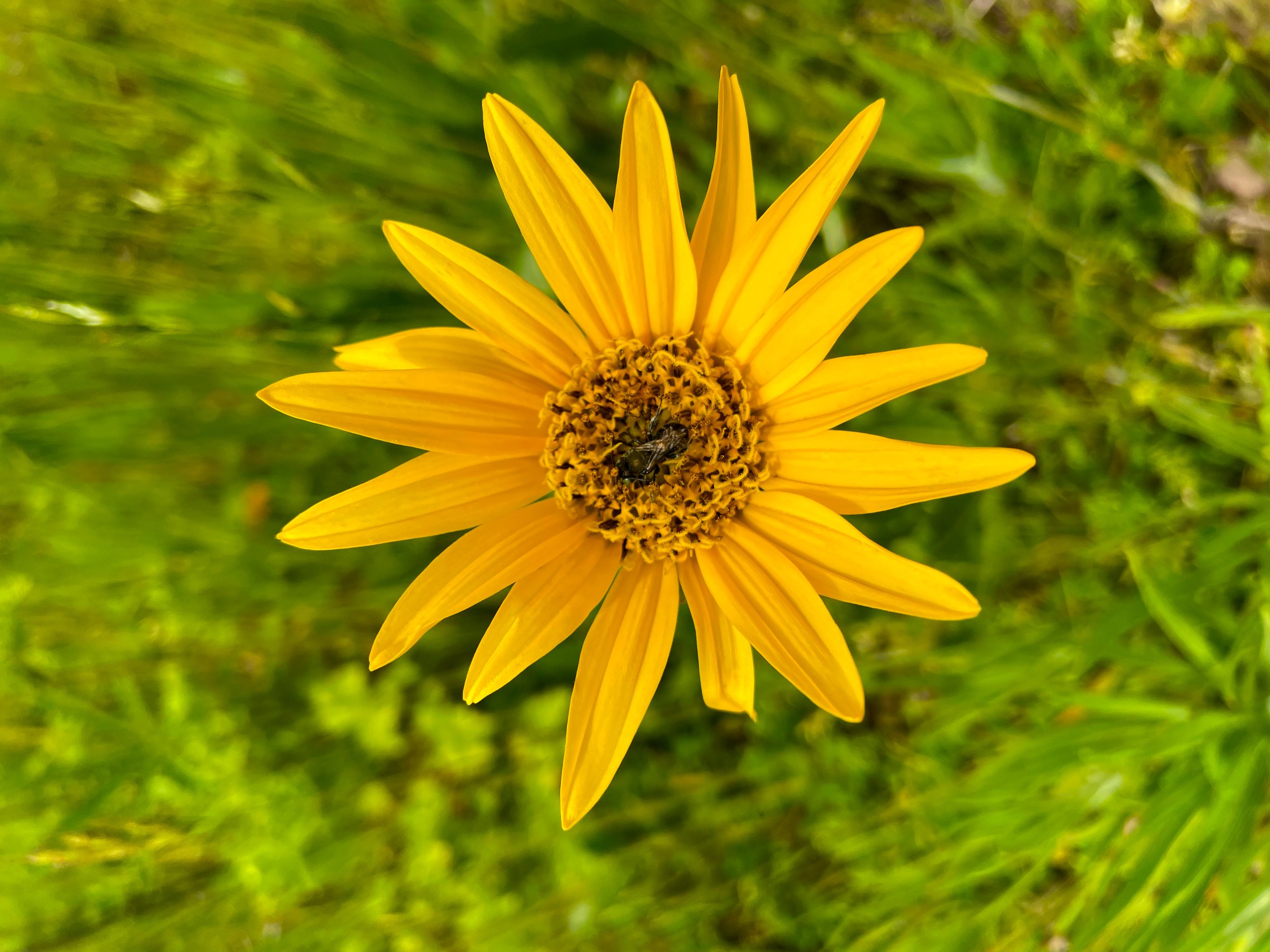
Lassen Volcanic offers spectacular opportunities for wildflower viewing during the summer months. Blooming times vary each year and are greatly affected by the winter's snowpack. Blooming time also varies with each wildflower species. For example, mountain mules ear, snow plant, and western wallflower bloom earlier in the season, while California corn lily and silverleaf lupine tend to bloom later.
Circle of
Discovery
We Are So Much More Than One Park!
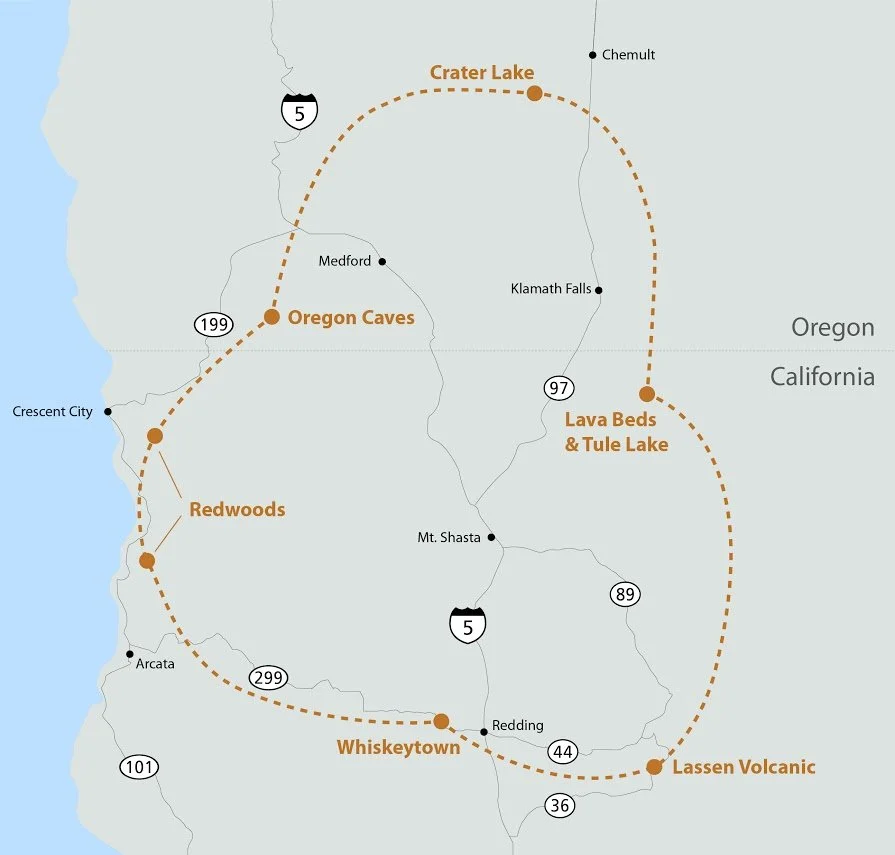
Did you know that northern California and southern Oregon are home to seven national park sites? This circle of parks protects everything from America's oldest and tallest trees, dramatic coastline, complicated American history, the countries deepest lake to hydrothermal areas, ice caves, and dramatic waterfalls. Circle of Discovery - Redwood National and State Parks (U.S. National Park Service)
Let's Adventure
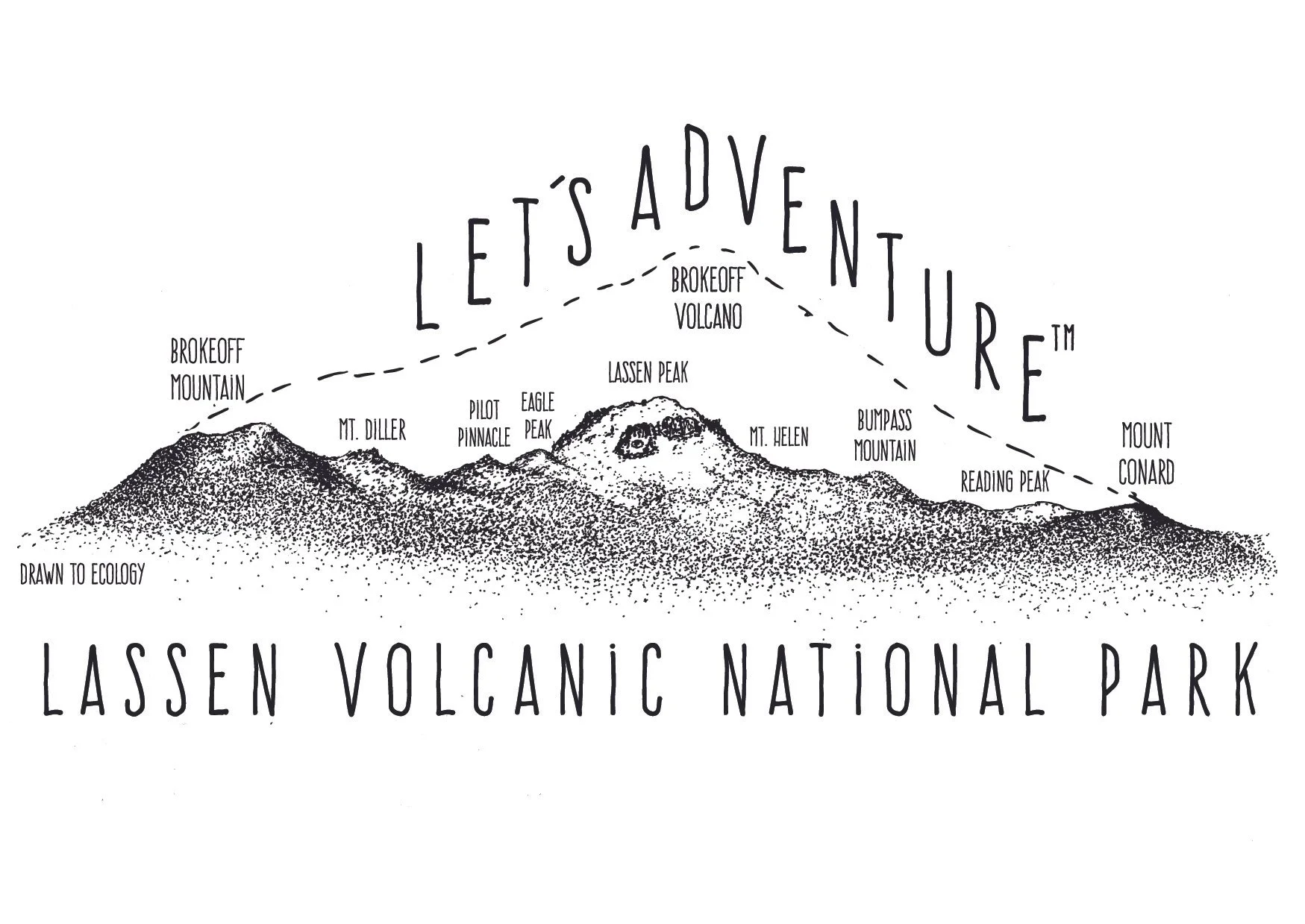
At its zenith about 350,000 years ago, Brokeoff Volcano had a basal diameter of about 8 miles and an elevation of about 11,000 feet. Today it is deeply eroded, but its reconstructed volume was about 80 cubic kilometers, nearly 35 times larger than Lassen Peak. -USGS
To learn more about the Geology of Lassen Volcanic NP please go to: Eruption History of the Lassen Volcanic Center and Surrounding Region | U.S. Geological Survey